A Homeowner's Guide to Florida's Roofing Building Codes
Replacing your roof in the Tampa Bay area is a significant investment in your home's safety and value. But it's not just about choosing the right color shingles. Here in Florida, we have some of the most stringent building codes in the country, especially for roofing. For many homeowners, navigating these regulations can feel overwhelming, raising concerns about compliance, costs, and finding a contractor who truly understands the requirements. The fear of getting it wrong—and dealing with the consequences of a non-compliant roof during the next big storm—is a major source of stress.
At Zeus Roofing LLC, we believe knowledge is power. Understanding why these codes exist and what they entail can transform your roofing project from a source of anxiety into a confident investment. This guide will demystify the Florida Building Code for roofing, explaining the key requirements, the permitting process, and how adhering to these standards protects your home and family for years to come.
Why Are Florida's Roofing Codes So Strict?
The primary reason for Florida's robust roofing codes can be summed up in two words: hurricane season. Our state's history is marked by powerful storms that have tested the limits of building construction. Events like Hurricane Andrew in 1992 were a major wake-up call, leading to a complete overhaul of the state's building codes to prioritize life safety and structural resilience.
These codes are not arbitrary rules designed to make projects more expensive. They are a direct response to the powerful forces of nature we face annually. A code-compliant roof is engineered to withstand high winds, resist water intrusion from driving rain, and maintain its structural integrity under extreme stress. This focus on durability and longevity directly addresses the top priorities for Florida homeowners: protecting their property and ensuring peace of mind. It's also what separates professional, licensed roofers from the 'storm chasers' who often appear after a weather event, performing substandard work that won't pass inspection or protect you in the long run.
Key Code Requirements for Your Roof Replacement
While the full Florida Building Code is extensive, several key areas directly impact your residential roof replacement. A knowledgeable contractor will ensure every one of these is met.
-
Enhanced Roof Deck Attachment: The code specifies a strict nailing pattern for securing the plywood or OSB sheathing (the roof deck) to your trusses. This is the foundation of your roof system's ability to resist wind uplift. Insufficient nailing is a common failure point in major storms, and inspectors will check this carefully.
-
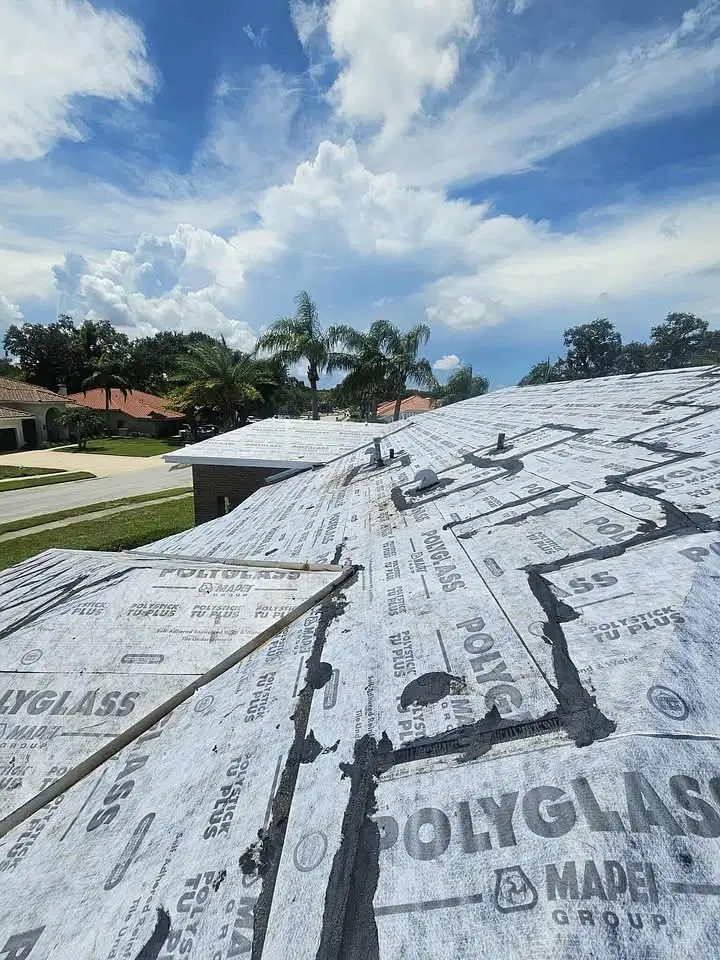
Secondary Water Resistance (Underlayment): Think of this as your roof's last line of defense. Florida's code requires a sealed roof deck, typically using a self-adhering membrane (often called 'peel-and-stick') over the seams of the plywood. This prevents water from pouring into your home if shingles are blown off, which is crucial during our intense afternoon showers and tropical storms.
-
Wind Mitigation Features: This is a critical term every Florida homeowner should know. Code-compliant roofing includes specific installation techniques for flashing, drip edges, and ventilation that are designed to minimize wind and water intrusion. A properly installed roof with documented wind mitigation features can often lead to significant discounts on your homeowner's insurance policy.
-
Material and Installation Standards: Not just any shingle or tile can be used. All roofing materials must have a Florida Product Approval number, certifying that they have been tested and proven to withstand our unique climate. Furthermore, the code dictates the precise method of installation, from the number of nails per shingle to the specific type of flashing used around chimneys and vents.
The Permitting and Inspection Process
One of the most common questions we hear is about the permitting process. A roof replacement is not a simple repair; it is a major construction project that legally requires a permit from your local municipality. This process is your assurance that the job is being done correctly and to code.
Navigating the permitting process is a key responsibility of your roofing contractor. At Zeus Roofing, we handle every step for you:
- Permit Application: We prepare and submit all necessary documentation, including engineering specifications and proof of our licensing and insurance.
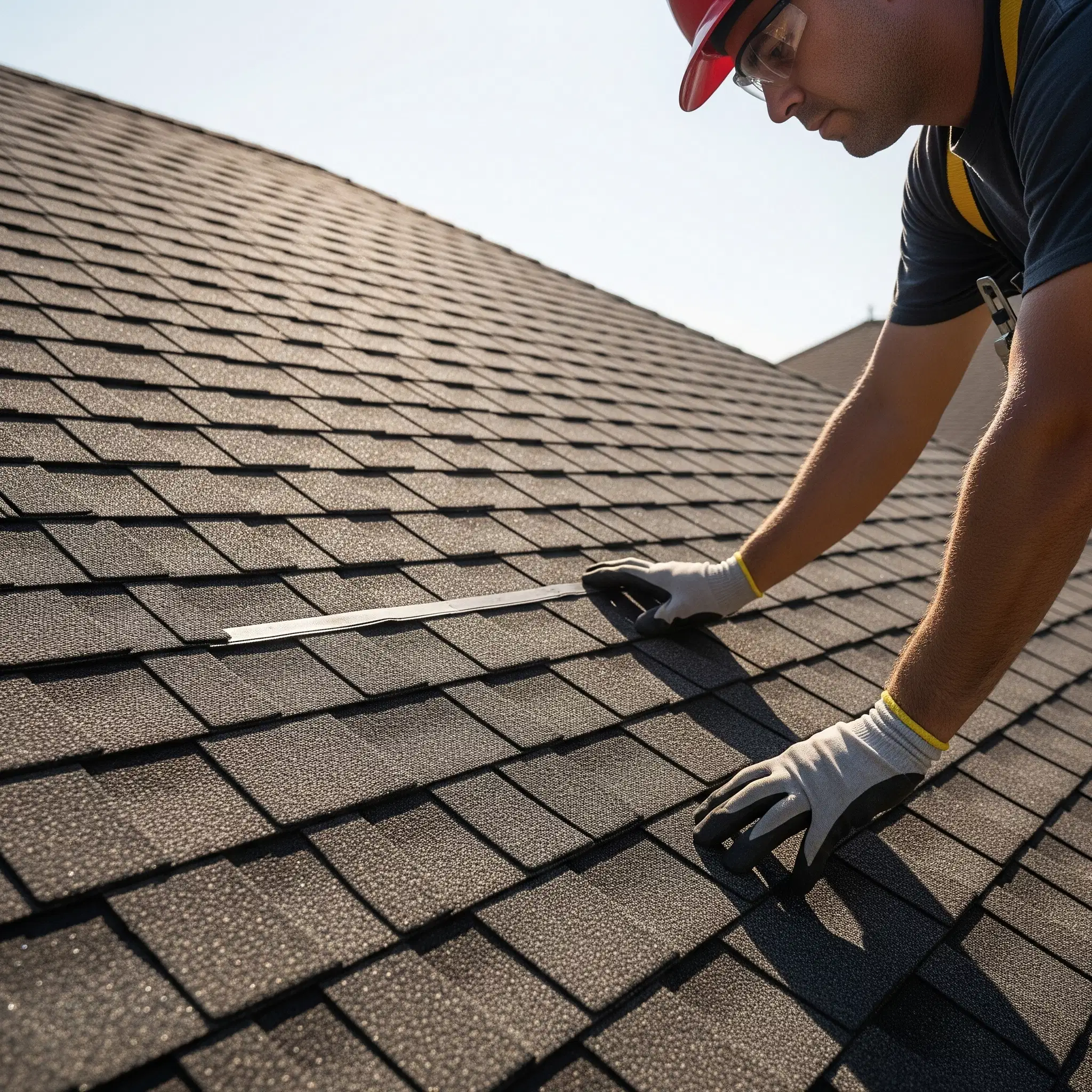
- In-Progress Inspections: A city or county inspector will visit the job site at critical stages, such as after the old roof is torn off and the new deck is nailed down, to verify compliance before the final covering is installed.
- Final Inspection: Once the project is complete, the inspector returns for a final review to ensure every aspect of the new roof meets code requirements.
This structured oversight protects you from shoddy workmanship and ensures your roof is safe, legal, and insurable. A contractor who suggests skipping the permit process is cutting corners and putting your home at significant risk.
How Code Compliance Impacts Your Roof's Cost and Value
It's true that meeting Florida's stringent building codes requires higher quality materials and more labor-intensive installation methods, which can influence the overall cost of a roof replacement. However, it's crucial to view this not as an expense, but as an investment in long-term value and security.
A code-compliant roof is more durable, offers superior protection against storms, and increases your home's resale value. It's also a requirement for obtaining and maintaining homeowner's insurance. While the upfront cost may be higher than a non-compliant job, the potential cost of repairs, interior damage, and insurance issues from a failed roof is exponentially greater.
We understand that a new roof is a major financial decision. That's why we offer flexible financing options to help homeowners afford the quality, compliant roof they need without compromising on safety or craftsmanship.
Build Your Roof on a Foundation of Trust
Navigating Florida's building codes doesn't have to be complicated when you have the right partner. The codes are in place to protect you, and working with a contractor who embraces them is the best way to ensure a successful, long-lasting roof replacement.
At Zeus Roofing LLC, we are experts in the specific requirements for homes across the Tampa area. We manage the entire process, from permitting to final inspection, with a commitment to transparency and quality. If you're considering a new roof for your home or business, contact us today for a free, no-obligation inspection. Let us show you how a code-compliant residential or commercial roof can provide you with decades of security and peace of mind.