Your First Line of Defense: Is Your Roof Ready for Florida's Hurricane Season?
Living in the beautiful Tampa Bay Area means enjoying sunshine, coastal breezes, and vibrant communities. It also means preparing for the annual hurricane season. From June through November, our homes face the ultimate test from high winds and torrential rain. As your local roofing experts, we know that your roof is the single most important barrier protecting your family and your property. But is it truly ready for what the season might bring?
Many homeowners don't think about their roof's condition until they see a leak after one of our classic afternoon showers, or worse, after a major storm has passed. Proactive preparation is the key to peace of mind. This guide will walk you through the essential steps for fortifying your roof, from understanding the specific threats to choosing the right materials and knowing what to look for in a professional inspection. Let's ensure your home is a safe haven, not a source of stress, when the winds start to pick up.
Understanding the Forces at Play: How Hurricanes Target Your Roof
A hurricane's impact on a roof is more complex than just strong winds. It's a combination of powerful forces that work together to find and exploit any weakness. Understanding these threats is the first step in building a proper defense.
- Wind Uplift: This is the primary danger. As high-velocity wind flows over your roof, it creates a pressure difference, similar to how an airplane wing generates lift. This suction force can pull shingles, tiles, and even the underlying decking away from your home. The edges and corners of your roof are especially vulnerable.
- Flying Debris: Hurricane-force winds can turn unsecured objects—like tree branches, patio furniture, and neighbors' trash cans—into high-speed projectiles. A direct impact can crack tiles, puncture shingles, and compromise the structural integrity of your roof system, creating an immediate entry point for water.
- Wind-Driven Rain: It's not just the amount of rain, but the force behind it. Standard rainfall flows downward, but hurricane rains are often horizontal. This relentless, pressurized water can be forced under shingles and into tiny gaps that would otherwise be harmless, leading to widespread water intrusion and interior damage.
A roof that isn't properly installed or maintained will have weak points that these forces can easily exploit. A single loose shingle can be the starting point for a catastrophic failure.
Choosing Your Armor: The Best Roofing Materials for Florida's Climate
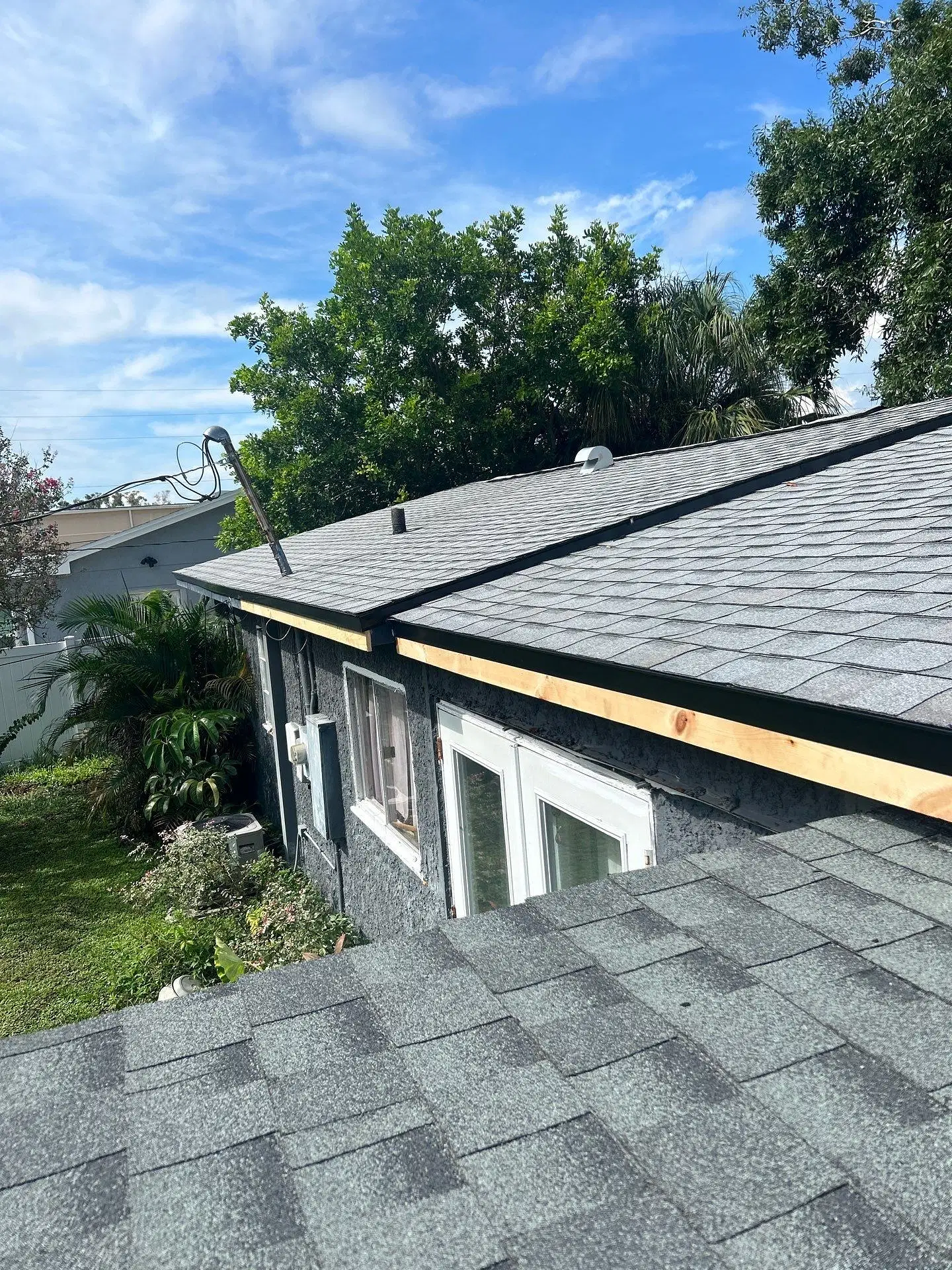
When it comes to protecting your home, not all roofing materials are created equal, especially in our unique climate. The right choice can significantly enhance your home's resilience. Here are some of the top performers for Florida homes:
Impact-Resistant (IR) Asphalt Shingles: This isn't your standard shingle. Modern architectural shingles can be engineered with a reinforced mat and more robust adhesive strips to withstand higher wind speeds. Look for shingles with a Class 4 impact rating, the highest available, which means they are designed to resist damage from hail and flying debris. They offer a great balance of performance, aesthetics, and value.
Standing Seam Metal Roofs: A metal roof is one of the most durable and long-lasting options available. The panels interlock in raised seams, creating a formidable barrier against wind and rain. They are highly resistant to wind uplift and punctures from debris. Additionally, their reflective properties can help lower your energy bills by reducing heat absorption—a significant benefit under the Florida sun.
Concrete or Clay Tile Roofs: A classic look for Florida architecture, tile roofs are exceptionally durable and resistant to fire and rot. When installed correctly to meet modern building codes, they can withstand very high winds. Proper installation is critical, as individual tiles can become projectiles if they are not securely fastened.
Choosing the best material is a crucial part of any residential roofing project. It's an investment in your home's long-term safety and value.
Beyond the Surface: Critical Components for a Hurricane-Ready Roof
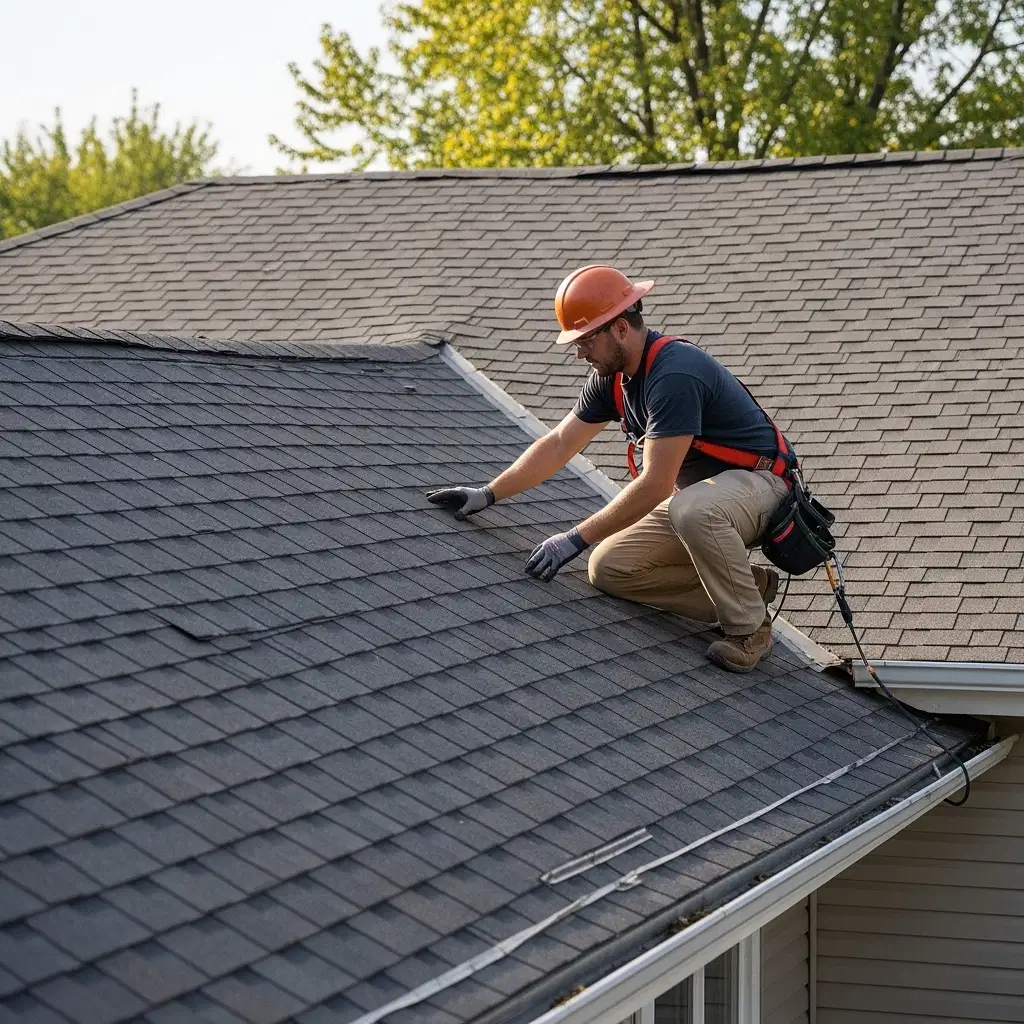
A strong roof is more than just the shingles or tiles you see from the street. The components underneath are what truly create a weather-tight system. Two of the most important features for hurricane preparedness are often overlooked by homeowners.
First is the Secondary Water Barrier (SWB). This is a special membrane installed directly on top of the roof decking, underneath the primary roofing material. In the event that your shingles or tiles are blown off, the SWB acts as a crucial second line of defense, preventing water from pouring directly into your attic and home. Florida building codes now mandate this for new roofs, and it's a vital upgrade for older ones.
Second are Wind Mitigation Features. This is a series of construction techniques designed to help your roof better withstand high winds. Key features include:
- Enhanced Nailing Patterns: Using more nails per shingle, and placing them correctly, dramatically increases wind resistance.
- Roof-to-Wall Connections: These are metal straps or clips (often called hurricane clips) that securely anchor your roof trusses to the walls of your home, preventing the entire roof structure from lifting off in extreme winds.
- Gable End Bracing: Reinforcing the triangular walls at the ends of your roof to prevent them from collapsing under wind pressure.
These features not only make your home safer but can also earn you significant discounts on your homeowner's insurance premiums.
Your Pre-Season Checklist: Inspections and Maintenance
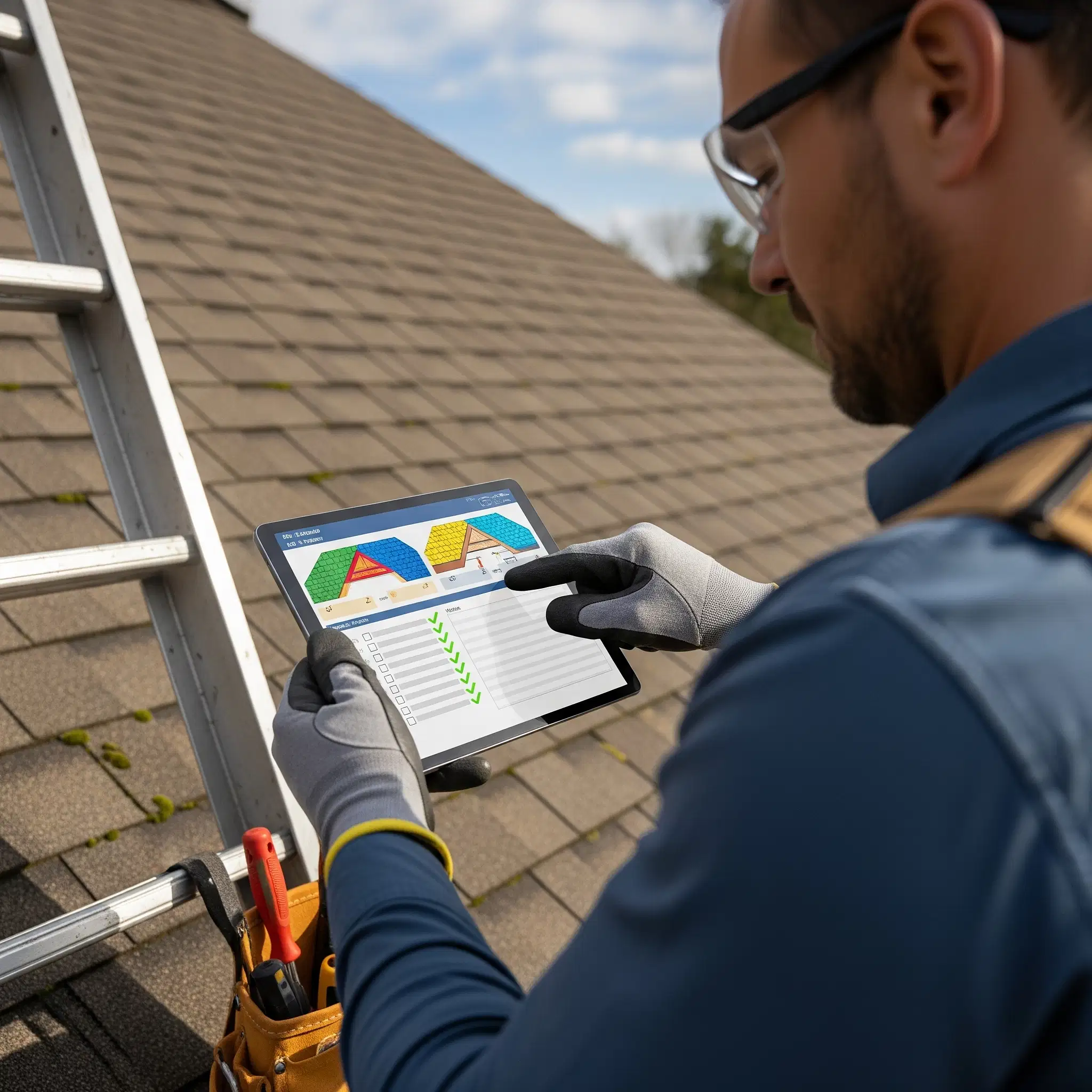
Before hurricane season is in full swing, every homeowner should take proactive steps. The most important step is scheduling a professional roof inspection. An expert can spot subtle signs of weakness you might miss, such as cracked sealant around vents, loose flashing, or granule loss on shingles. Using technology like drones, inspectors can get a safe and comprehensive view of your entire roof system.
Once you have a professional assessment, you can focus on maintenance:
- Clean Your Gutters and Downspouts: Clogged gutters can cause water to back up under the edge of your roof, leading to rot and damage.
- Trim Overhanging Trees: Remove any dead or weak branches that could break off and fall on your roof during a storm.
- Inspect Seals: Check the seals around vents, pipes, and skylights for any signs of cracking or peeling.
Investing in a new, code-compliant roof is a significant decision, but it provides unparalleled protection. We understand that cost can be a concern, which is why we offer flexible financing options to help you secure your home without delay. Furthermore, a quality installation should always be backed by strong roof warranties, covering both materials and workmanship for your ultimate peace of mind.
Don't Wait for the Storm Warning: Secure Your Home Today
Preparing your roof for hurricane season is one of the most important investments you can make in your home's safety and your family's well-being. By understanding the risks, choosing durable materials, ensuring critical components like a secondary water barrier are in place, and performing regular maintenance, you can face the season with confidence.
The time to act is now, not when a storm is already on the forecast. The team at Zeus Roofing LLC is here to help. We offer comprehensive, no-obligation roof inspections to homeowners throughout the Tampa area. We'll assess your roof's current condition, identify any potential vulnerabilities, and provide you with a clear, honest recommendation.
Contact us today to schedule your free inspection and take the first step toward a safer, more secure home. Let us provide the protection your family deserves.